
More people watched a fake Nvidia keynote last week than the real one. They didn’t know it was fake. Neither did Nvidia — until it was over.
In Ocean’s Eleven, George Clooney’s crew fools the casino by feeding in a staged and very fake video of the Bellagio vault while the heist unfolds in the real vault — that nobody was actually watching, but they thought that they were.
That’s exactly what happened to Nvidia in October, and several thousand viewers fell for it instead of watching the real Nvidia livestream.
The Problem With “We’ll Just Put It On YouTube”
Public platforms are built for reach, not trust. Anyone can mimic your brand. Anyone can go live at the same time.
If their fake looks convincing, and the algorithm picks it up first — you’ve already lost the room.
A Fortune 500 company had its flagship event spoofed — in real time — and they didn’t know until it was over
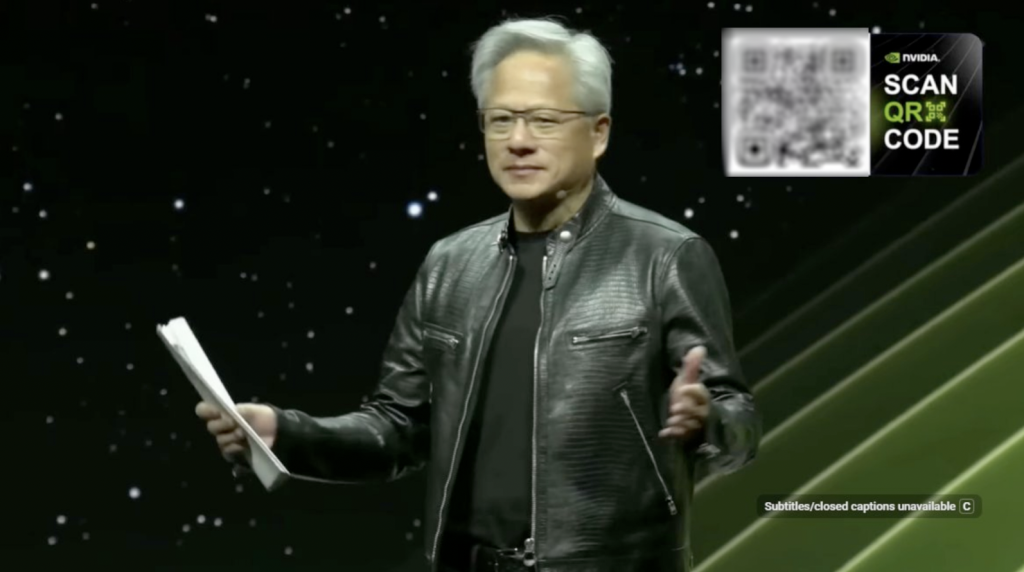
When you stream on public platforms, you give up all control.
Even if you do everything “right,” you’re still at the mercy of an algorithm you don’t control. When Nvidia’s fake keynote went live, YouTube’s own system promoted the deepfake — not the official stream. If it can happen to them, it can happen to you.
Here’s why relying on public platforms like YouTube is a risk:
The algorithm decides what gets seen. YouTube may boost something because it’s getting clicks — even if it’s wrong or malicious.
You can’t prevent impersonators from going live. Anyone can stream using your logo, your CEO’s name, and a fake video, and there’s no way to preemptively block it.
Reporting takes too long. Even if someone flags the fake content, by the time it’s reviewed and taken down, the damage is done.
Your audience may never know they saw the wrong thing. If the imposter stream looks legit and ranks higher, most viewers will assume it’s official.
You have no control over what appears next. Even after your stream ends, related videos — including competitors, conspiracies, or scams — could autoplay after. YouTube (and similar services) just work that way.
Your brand becomes collateral. Sites like YouTube serves its viewers, not your board, not your members, not your mission. To them, you’re content, not message.
There are many ways OVS Media can help you lock down your livestreams.
- Custom branded page for your event
- Pre-registration systems to gate access and verify attendees
- Visual authentication, including on-screen watermarks and bugs
- Real-time stream monitoring, so you always know what’s live — and what isn’t
- Back-channel verification tools, letting you prove authenticity at any moment
- Platform redundancy, so your stream stays up even if a CDN goes down
OVS protects your brand, your reputation, and your stakeholders.
Let's talk about locking down your event's livestream so that this doesn't happen to you.
If your current plan is “we’ll just put it on YouTube,” it’s time to rethink.
We’re happy to help — whether that’s assessing your existing setup, building a secure pipeline, or managing your full event from pre-stream to archive.
Use the form to the right to get in touch.
Or reach us directly
You can call us directly at (202) 643-1350, or send us an email with more information to info@ovsmedia.com. We’d love to talk about your project!